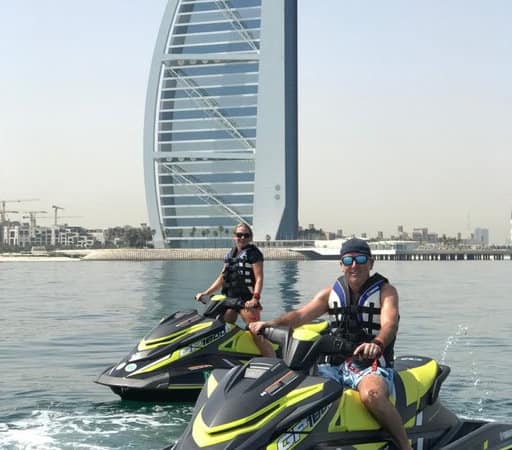
Key Takeaways
Yamaha Waverunner is the premier choice for beginners due to its high-reliability marine engines, stable hull design, and intuitive dual-throttle controls.
Sea-Doo leads the market in tech innovation, offering beginner-friendly braking systems and ultra-stable modular platforms.
When choosing a personal watercraft (PWC), beginners should look for electronic speed limiters, intuitive braking systems, and wide, stable hulls.
Stepping out onto the open ocean for a jet ski tour is one of the most exhilarating experiences Dubai has to offer. However, if you are a beginner looking to pilot a personal watercraft for the first time, understanding the differences between major manufacturers is essential for your comfort, handling, and safety on the water.
The market features highly competitive choices, each showcasing distinct hull designs, engine configurations, and electronic rider aids. In this comprehensive 2026 guide, we break down the best jet ski brands for beginners, focusing on ease of use, stability, and crucial safety features to ensure your time on the water is seamless.
The Top 5 Personal Watercraft Brands Compared (2026 Edition)
When discussing personal watercraft, the term "Jet Ski" is actually a trademark belonging exclusively to Kawasaki, though it is widely used to describe all personal watercraft. While three legacy manufacturers historically dominated the marine industry, the modern market has evolved to include innovative electric engineering and high-end hyper-craft.
1. Yamaha Waverunner
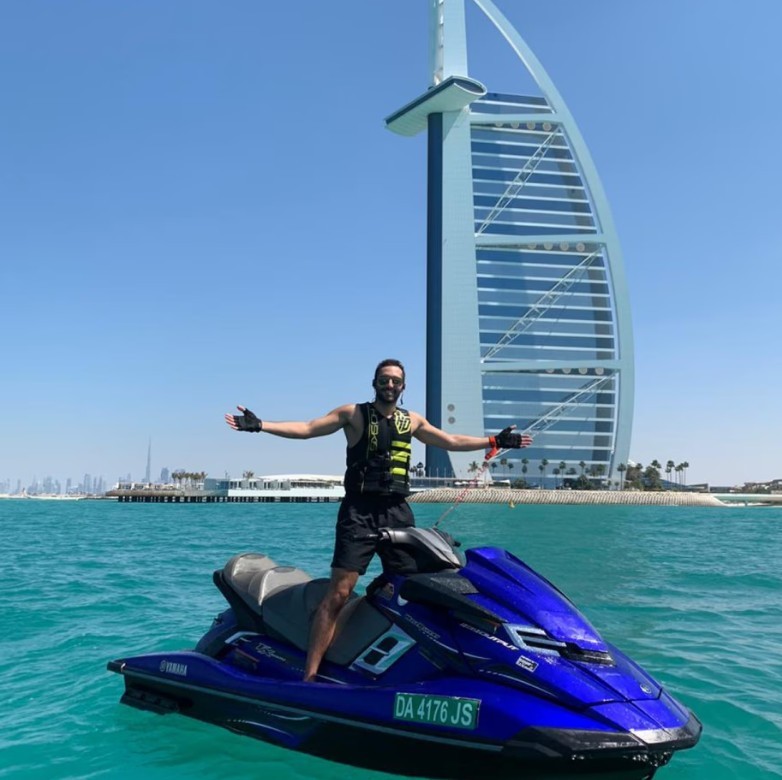
The Yamaha Waverunner remains a premier choice for commercial rental fleets and beginner riders alike. This stellar reputation is built directly on mechanical reliability, structural hull strength, and predictable handling characteristics in choppy coastal waters.
Why It's Perfect for Beginners
RiDE Technology: Yamaha features a dual-throttle handlebar system. The right lever controls acceleration, while the left lever handles deceleration and reverse. Releasing both throttles puts the watercraft into a neutral gear state, completely removing the stress of docking or tight-space maneuvering.
TR-1 Marine Engines: Yamaha's marine engines are remarkably fuel-efficient, lightweight, and engineered to run smoothly for hundreds of hours with minimal maintenance requirements.
Hull Stability: Models within their recreational line utilize high-composite, lightweight hulls that resist tipping, providing a highly predictable ride even when crossing the wakes of large yachts.
2. Taiga Orca (The Electric Pioneer)
Representing the future of eco-conscious marine engineering, Taiga Motors has disrupted the industry with the world's first mass-production electric personal watercraft (ePWC), the Taiga Orca. It eliminates internal combustion engines entirely in favour of battery-electric power.
Why It's Perfect for Beginners
Silent Operation: Without the loud roar of a traditional petrol engine, beginners experience significantly less sensory overwhelm, making it easier to stay aware of surrounding marine traffic and instructor commands.
Instantaneous Yet Smooth Torque: Electric motors provide linear power delivery. There are no power lags, gear shifts, or engine sputtering, only smooth, predictable acceleration controlled entirely by digital drive modes (including an eco-learning mode).
Zero Maintenance Stress: With no engine oil, spark plugs, fuel filters, or winterization needs, it is the ultimate user-friendly "plug-and-play" machine for modern riders.
3. Sea-Doo (BRP)
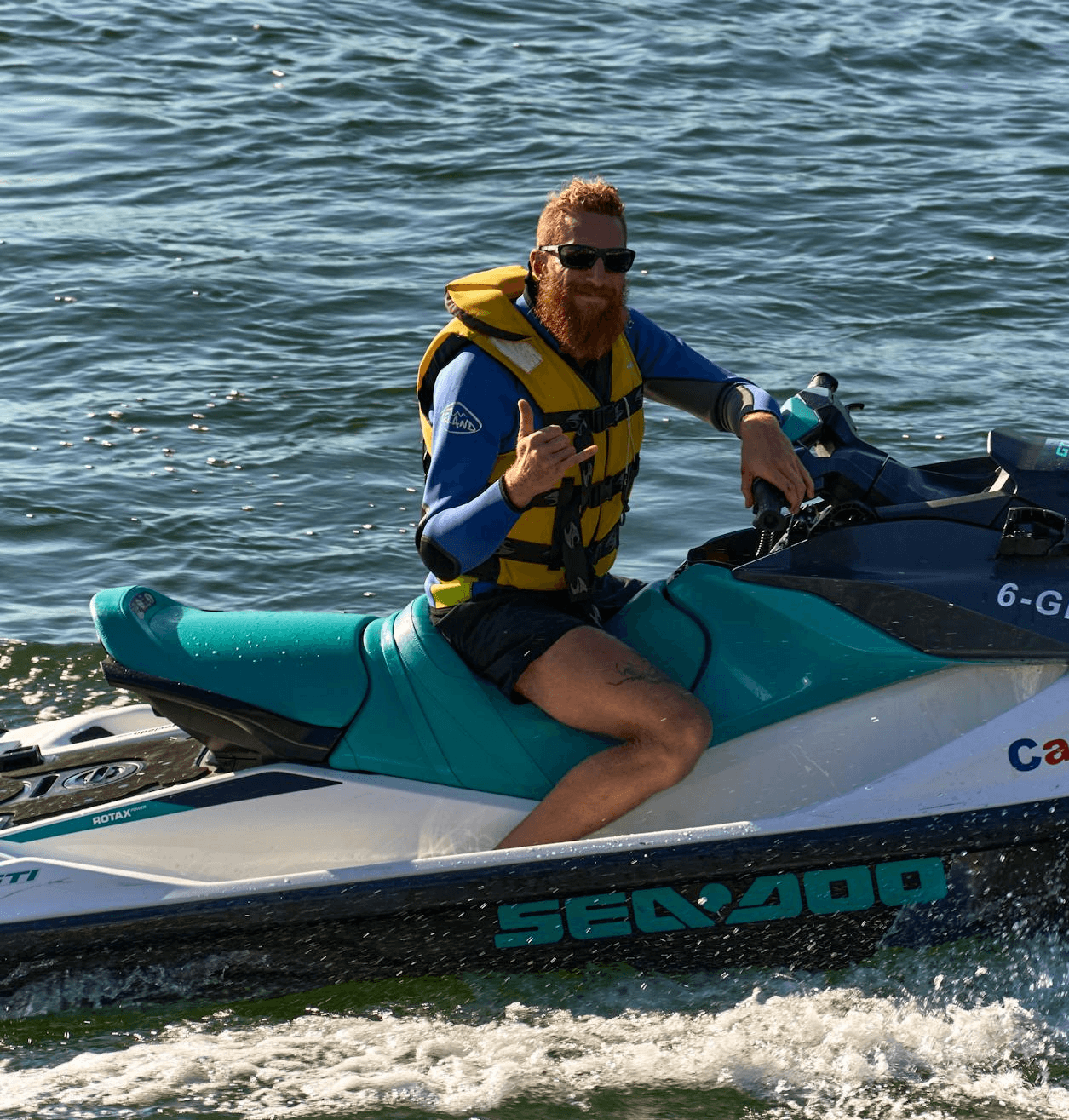
Manufactured by Bombardier Recreational Products (BRP), Sea-Doo is an industry leader in tech innovation, ergonomics, and modular deck space. They offer a vast array of models tailored specifically to recreation, luxury, and family towing sports.
Why It's Perfect for Beginners
iBR (Intelligent Brake and Reverse): Sea-Doo was a pioneer in watercraft braking systems. The iBR system allows the watercraft to come to a full stop significantly faster than models without a brake, giving beginners peace of mind in busy marine zones.
Polytec Hull Material: Many entry-level Sea-Doo models utilize a highly impact-resistant fiberglass-reinforced material that keeps the machine lightweight, nimble, and highly scratch-resistant.
Ergolock Seating: The stepped seat design narrows between the rider's knees, allowing you to lock your legs into the machine. This dramatically reduces upper-body fatigue when navigating ocean swells.
4. Belassi (The Ultra-Luxury Hyper-Craft)
If the major brands are the sports cars of the ocean, Austria-based Belassi builds the hypercars. Known for creating handcrafted premium watercraft like the Burrasca, this boutique manufacturer focuses on elite carbon-fibre construction and custom aesthetics.
Why It's Worth Knowing
Unrivalled Structural Rigidity: Built with hand-layered carbon fibre and high-grade composites, these machines are virtually impervious to structural flex. For a beginner with a premium budget, this translates to an extraordinarily solid, planted feel on the water.
Advanced Ergonomic Cockpits: Features fully integrated digital dashboards and adjustable sport seats designed to cushion the rider perfectly against high-impact waves.
Exclusivity: While too aggressive for a total novice to push to its limits, its high-stability hull and elite build quality make it a prized luxury choice for mega-yacht tenders across Dubai.
5. Kawasaki Jet Ski
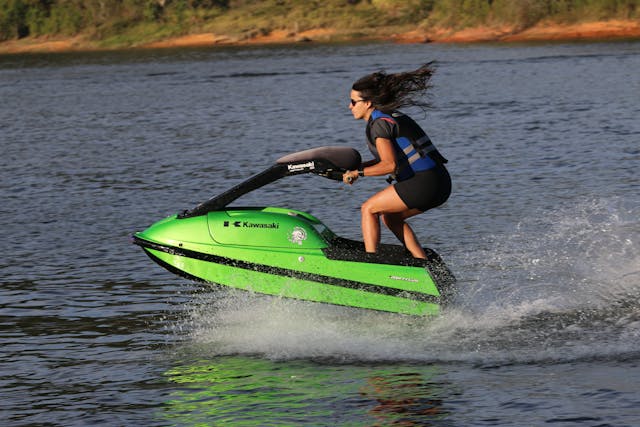
As the creator of the original stand-up watercraft, Kawasaki focuses heavily on pure performance, deep-V hull engineering, and heavy-water tracking. While they are highly popular among experienced high-speed enthusiasts, their larger recreational models offer exceptional assets for beginners.
Why It's Perfect for Beginners
Heavy Deep-V Hulls: Kawasaki models tend to be heavier and feature pronounced deep-V hulls. This extra weight acts as a natural stabilizer, slicing directly through rough waves rather than bouncing over them, making the ride incredibly smooth.
Kawasaki Smart Steering (KSS): A common challenge for beginners is remembering that a watercraft requires throttle pressure to steer. The KSS system automatically detects sudden steering inputs when the throttle is released, providing brief auxiliary thrust to help you turn away from obstacles safely.
Slo-Mode (Smart Learning Operation): This built-in electronic key system scales back engine output by roughly 30 percent, allowing entry-level pilots to master steering geometry without the risk of accidental high-speed acceleration.
4 Essential Safety Features Every Beginner Needs
While it's important to observe safety guidelines when riding a jet ski, looking closely at the electronic rider assists and safety systems installed by the manufacturer is equally crucial. Modern engineering ensures that learning to ride is safer than ever before.
1. Off-Throttle Steering Assistance
Because personal watercraft are propelled by a directional water jet rather than a traditional rudder, you lose the ability to steer the moment you completely release the throttle. Systems like Kawasaki's KSS ensure that the onboard computer maintains enough minimal thrust to let you guide the machine to safety during emergency avoidance maneuvers.
2. Electronic Brake and Reverse Systems
Traditional watercraft require you to coast to a stop using natural water drag. Choosing a machine equipped with Yamaha's RiDE or Sea-Doo's iBR allows you to drop a mechanical bucket over the jet thrust stream, acting as an effective brake that can bring the watercraft to a complete halt inside a fraction of the normal distance.
3. Programmable Learning Keys
Most modern watercraft brands provide a secondary lanyard or a digital dashboard pin code that activates a low-performance learning profile. This caps the top speed and dampens throttle sensitivity, allowing riders to build muscle memory safely before unlocking the machine’s full performance.
4. Wide Hull Design
Avoid narrow, race-inspired hulls if you are just starting out. Look for stable recreational hulls that offer wide rear platforms, which make reboarding the watercraft from deep water simple and prevent the machine from rolling over when passengers shift their weight.
Which Brand Is Best for You?
Every major brand offers incredible engineering, but the optimal choice depends on what you value most for your initial steps into water sports:
Choose a Yamaha Waverunner if your primary goals are long-term engine reliability, intuitive dual-throttle handling, and high resale value.
Opt for a Sea-Doo if you love modern technological integration, rapid braking systems, and modular accessories for family days out.
Look at a Kawasaki if you consistently ride in rough, choppy coastal conditions and prefer a heavier machine that prioritises tracking stability and straight-line comfort.