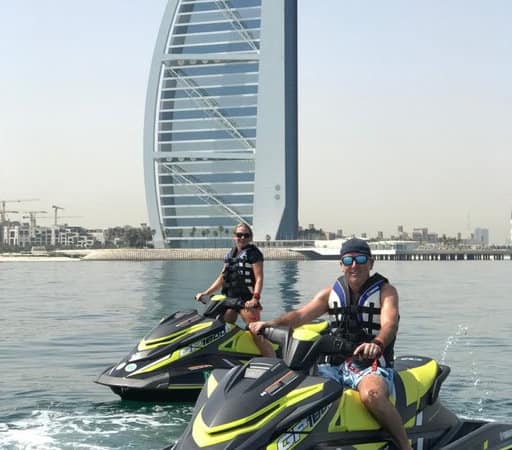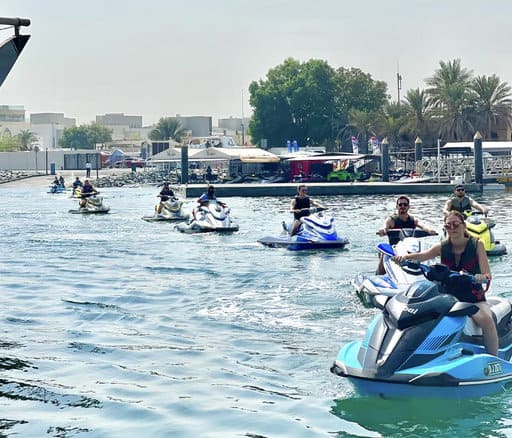
Jet ski racing, often called Personal Watercraft (PWC) racing, is a sport that combines high-speed navigation with physical endurance. What began as a recreational activity on the water has grown into a globally recognised competitive discipline, with dedicated events, governing bodies, and purpose-built equipment.
Whether you are looking to enter your first local competition or want to understand how professional riders approach the sport, this guide covers the fundamental elements of jet ski racing, from the gear you need and the rules you must follow to training methods and events worth knowing about.
Understanding the Different Types of Racing
Each discipline within PWC racing demands a different set of skills and equipment. Here is a breakdown of the main formats you are likely to encounter.
Closed Course Racing
Races take place on a circuit marked by buoys, similar to a motocross track but on water. Riders must navigate tight turns and straightaways at high speeds. These races are usually short and intense, testing a rider’s ability to handle their craft in close proximity to other competitors.
Offshore or Endurance Racing
Covering long distances in open water, these races sometimes span between islands or along a coastline. This type of racing tests the mechanical reliability of the jet ski and the physical stamina of the rider, as they must deal with changing tide conditions and large waves.
Freestyle and Freeride
While not “racing” in the traditional sense of crossing a finish line first, freestyle is a major part of the competitive PWC world. Riders are judged on tricks, flips, and manoeuvres. Freeride is similar but usually takes place in natural surf, using waves as ramps for aerial stunts.
Drag Racing
A straight-line sprint from a standing start, drag racing is purely about acceleration and top-end speed. These races are short and require a highly tuned engine.
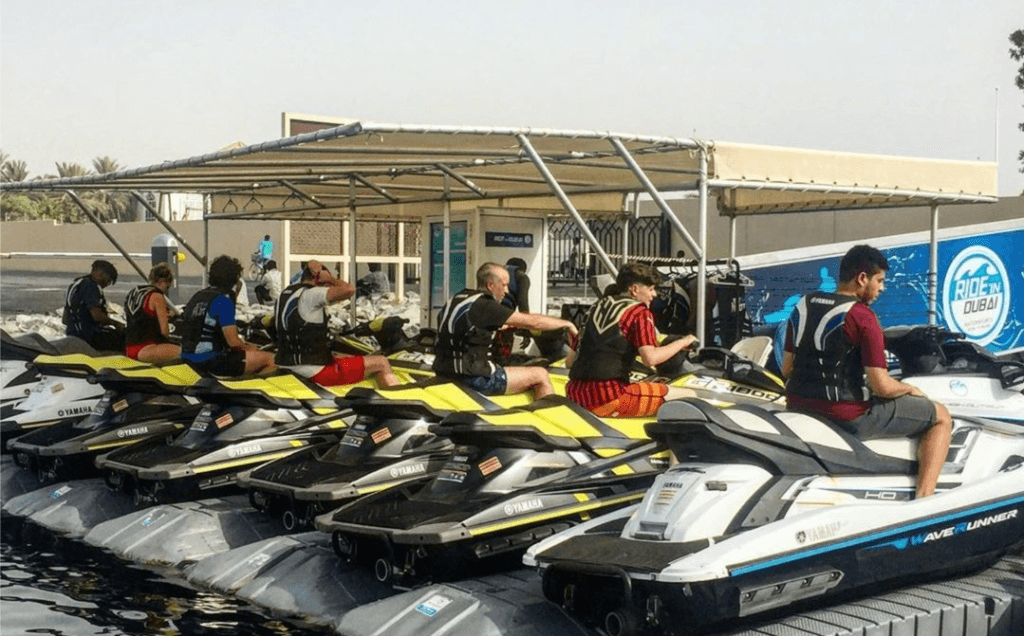
Essential Gear for Racing
At racing speeds on an unpredictable surface, standard recreational gear is not sufficient. Each piece of equipment below serves a specific protective purpose.
Life Jacket (PFD)
A racing-grade Personal Flotation Device (PFD) is different from a standard one. It is designed to stay secure during high-impact events and often includes side-impact protection to shield your ribs. Look for a PFD with multiple buckles and high-strength materials that will not tear if you fall at high speed.
Helmets
A PWC-specific helmet or a lightweight motocross helmet is standard in most sanctioned races. It protects your head from impact with the water or other crafts. It is important to choose a helmet that drains water quickly so it does not become heavy when submerged.
Wetsuits and Racing Suits
A fall at high speed exposes the body to significant water pressure, making proper suits essential. Many racers prefer “long john” style wetsuits paired with a rash guard or a specialised racing jacket. Neoprene boots with good grip are also essential to keep your feet planted on the deck mats.
Goggles and Gloves
Saltwater and spray at racing speeds can make visibility nearly impossible without proper eye protection. High-quality goggles with a strap are necessary. Gloves help prevent blisters and provide a better grip on the handlebars, which can become slippery when wet.
The Basic Rules and Etiquette
Racing on the water comes with a clear set of rules designed to protect every rider on the course.
Buoy System
In closed-course racing, buoys are colour-coded. Generally, red buoys are passed on the left (port) side, and yellow buoys are passed on the right (starboard) side. Missing a buoy usually results in a lap penalty or disqualification, so precision is more important than raw speed.
The Start Line
Races usually start with riders lined up at a gate or a “rubber band” start. Moving before the signal is a “jumped start” and will lead to a penalty. Riders must maintain their “lane” until they reach a certain point on the track to avoid collisions.
Overtaking
When passing another rider, the responsibility is on the person overtaking to do so safely. Cutting someone off or “spraying” another rider intentionally can lead to penalties. It is important to hold your line during a turn so other riders can predict your movement.
Flags
A green flag signals the race is underway. Yellow indicates caution, usually due to a rider in the water or an obstacle ahead, and overtaking is not permitted while it is displayed. A red flag stops the race immediately. A black flag means disqualification for a specific rider. The checkered flag signals the race is finished.

Training for the Race
A well-structured training routine is key to improving both endurance and race performance.
Physical Fitness
Your legs function as shock absorbers on the water, soaking up the impact of waves throughout a race. Core strength is also vital for staying balanced during tight turns. Many racers incorporate squats, lunges, and planking into their off-water training.
Practice Drills
Figure Eights: Set up two markers and practise tight turns. This helps you understand how your specific jet ski leans and slides.
The Slalom: Weaving through a line of buoys improves your reaction time and handlebar control.
Start Practice: Practise accelerating from a dead stop to your top speed as smoothly as possible.
Mental Preparation
Professional racers look two or three buoys ahead to plan their line and anticipate how the wake from other skis will affect the water. Practising this skill regularly during training helps improve your ability to anticipate water conditions and choose the best path.
Major Racing Events and Organisations
Several governing bodies oversee the sport at both the international and local levels:
IJSBA (International Jet Sports Boating Association): The leading global body for the sport. They host the World Finals every year, which is the most prestigious event in PWC racing.
UIM (Union Internationale Motonautique): This organization governs various powerboat sports, including international PWC championships.
Local Dubai Events: In the UAE, racing is a popular sport, with events often held at Jumeirah or near the Dubai International Marine Club (DIMC). These range from local sprint races to international championships.
Maintaining Your Craft for Competition
Consistent maintenance is what separates a reliable race craft from one that fails mid-competition.
Flushing the engine after every session, particularly in salt water, prevents corrosion in the cooling system. The impeller should be checked regularly, as small rocks or debris can cause damage that reduces top speed and acceleration. All hulls and engine compartments must be kept watertight; a small leak can become a serious problem when hitting waves at racing speeds.
Getting Started in Jet Ski Racing
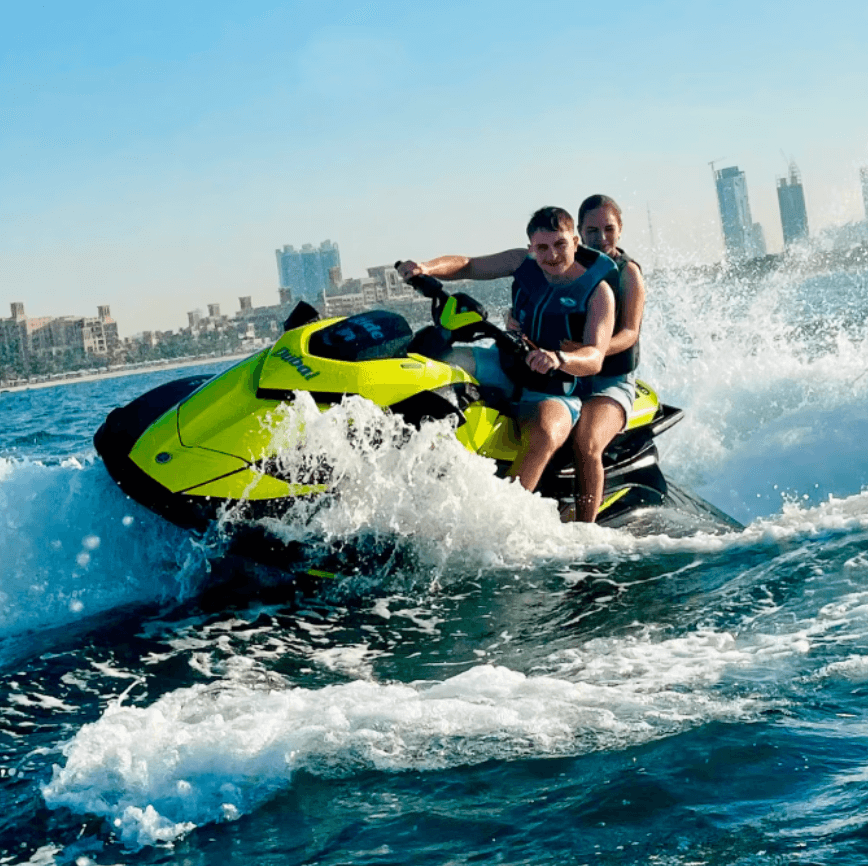
Visiting a local club or rental centre that offers performance training is the most practical first step. Avoid purchasing a high-end racing ski immediately. Begin with a Stock Class craft, which is a standard production jet ski with very few modifications. This allows you to focus on riding technique rather than managing a high-powered, sensitive engine.
Racing is a community-driven sport. Most experienced riders are happy to give advice on lines, gear, and mechanical setups. Spend time at the docks, ask questions, and focus on consistency before speed.
Whether you are chasing competitive results or simply want to experience the sport from a new angle, jet ski racing rewards those who approach it with the right preparation, respect for the water, and a willingness to learn.